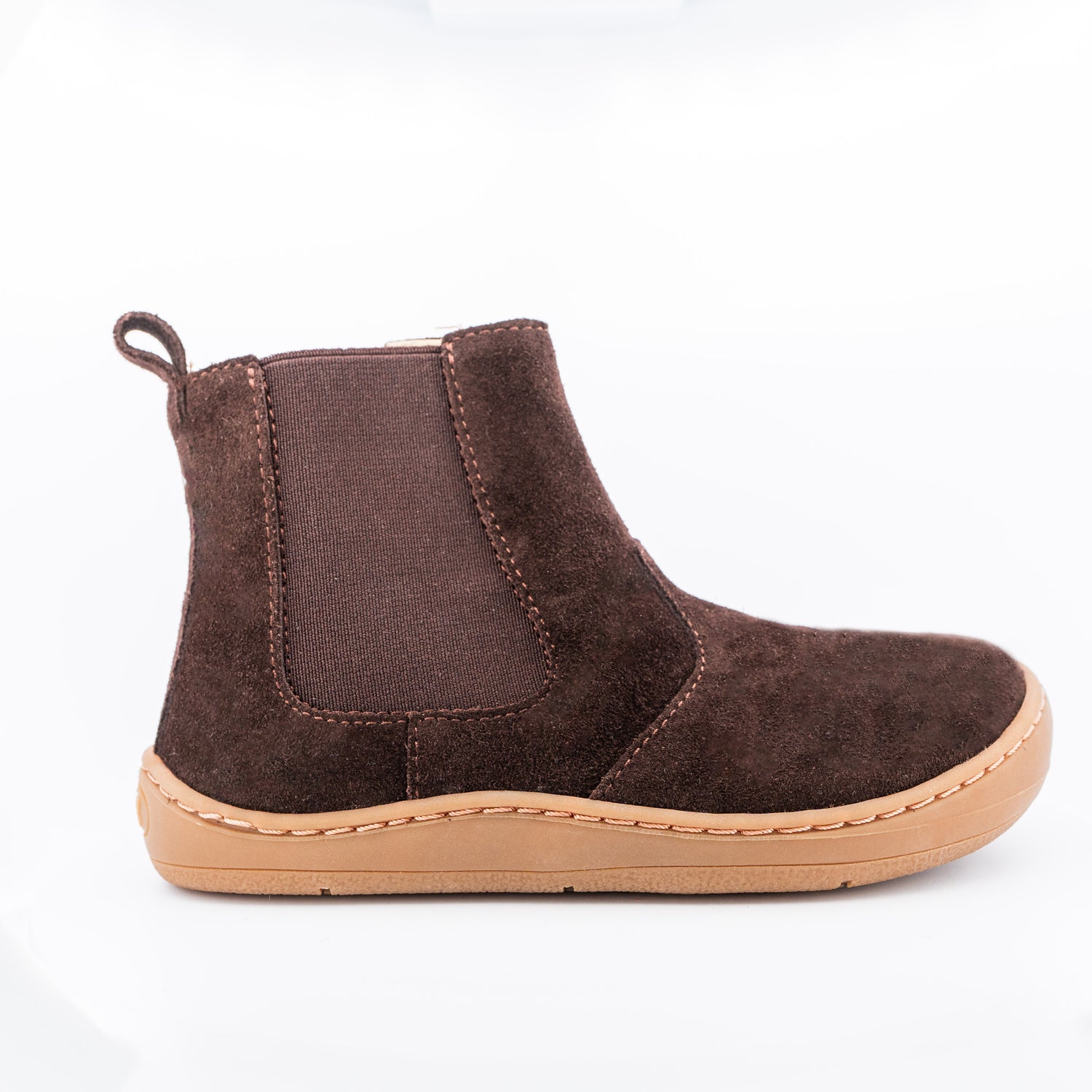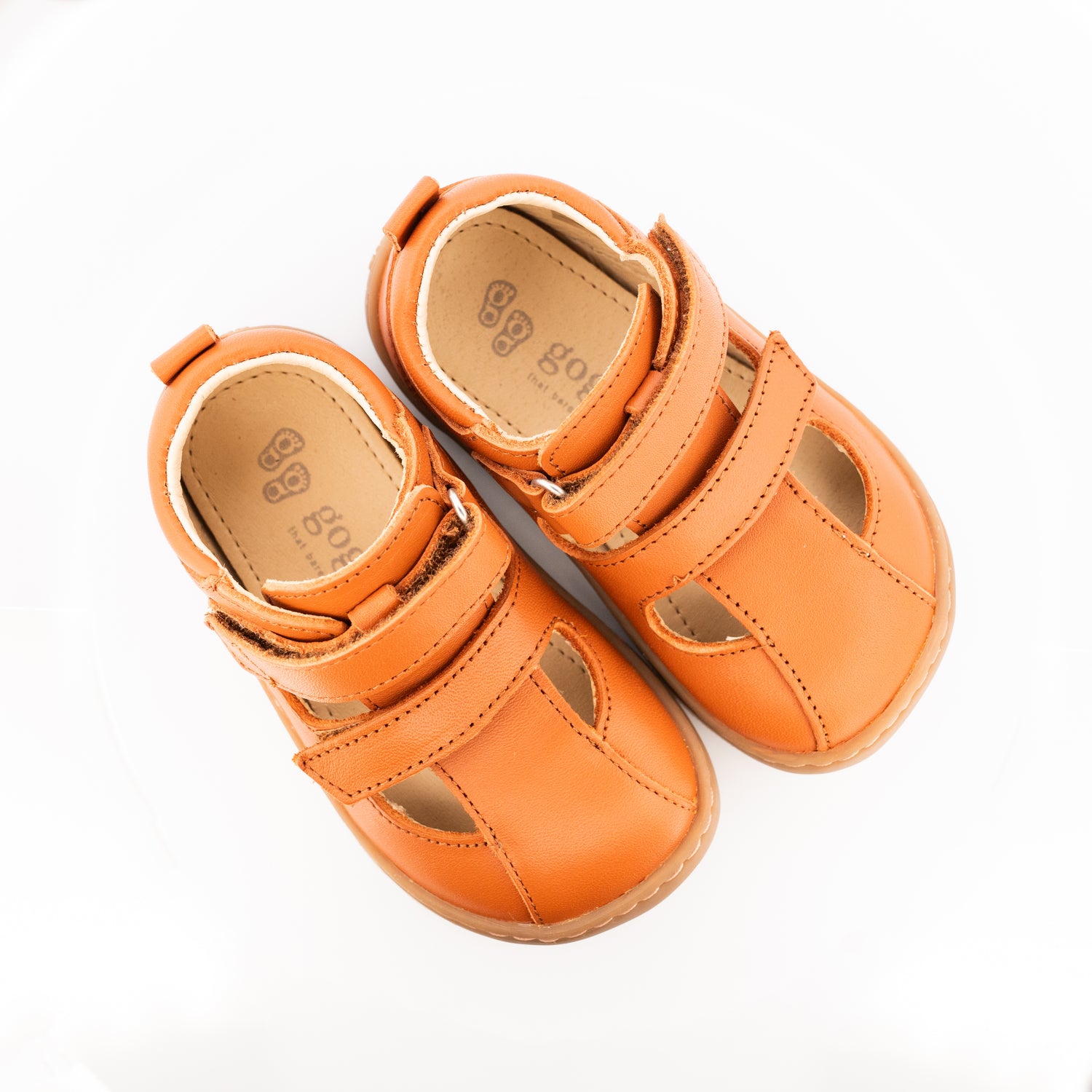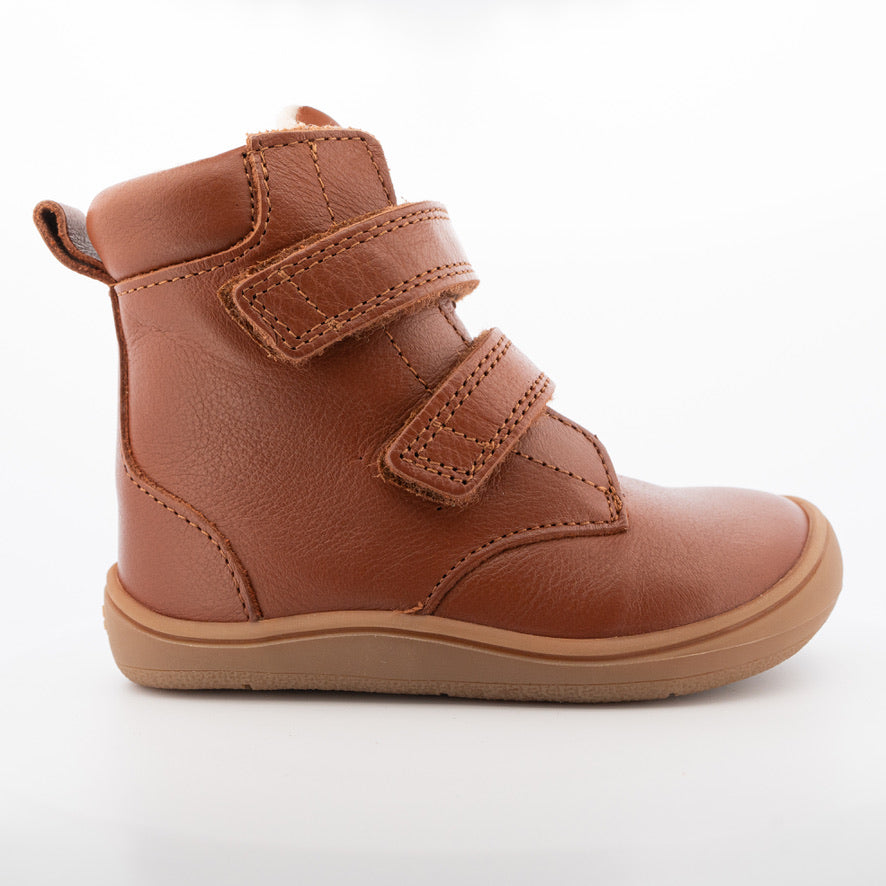


We asked one of our skilled pediatric physiotherapists, Emilie Abildstrup, if children need insoles and when it might make sense, or if it's actually just best to strengthen the foot naturally.
Emilie says:
"As a general rule, most children do not need insoles.Children's feet are developing, and they are designed for movement, variation, and load through active use. The foot is a complex sensory organ that constantly sends information to the brain about surfaces, pressure, and movement – information that is crucial for balance, body awareness, and motor development.When we place an insole in a child's shoe, we also make the surface thicker and more uniform. This means that the sensory input from the foot is reduced, and the child receives less information from the ground during walking, running, and playing. Additionally, an insole can restrict the foot's natural movement and work if used without a clear professional indication.
It is important to emphasize that insoles can be very beneficial in some cases. For example, children who are very hypermobile, especially in later childhood, may benefit from insoles as part of a comprehensive assessment and intervention. Here, insoles can contribute to better stability, less fatigue or pain, and increased function in daily life. However, this should always be based on an individual assessment and not as a general recommendation for all children.
My professional starting point is therefore that children's feet primarily need:
- Room to move
- Shoes that do not unnecessarily control or shape the foot
- The opportunity to feel the ground and use the foot's own muscles
Here, flexible and spacious shoes that allow the foot to work on its own play an important role."
/ Emilie Abildtrup, Pediatric Physiotherapist